Introduction
Born in Santiago, Chile in 1956, Alfredo Jaar studied architecture and filmmaking before moving to the United States in 1982. He has since been based in New York, working as an internationally active artist. He gained attention in the 1980s through his public interventions in New York City (Rushes, 1986, and A Logo for America, 1987). He became the first artist from Latin America invited to both the Venice Biennale in 1986 and Documenta in 1987. He is known for works grounded in a sensitive perspective and earnest investigation into social imbalances and geopolitical events occurring around the world. His work spans diverse media including photography, video, and architectural-scale works, characterised by physically engaging installations.
Rather than condemning others, Jaar creates what he calls poetic models of thinking the world—this underlying attitude in his practice quietly yet powerfully speaks to us as we confront tragedies such as war and inequality, as well as everyday problems. His work reminds us that good and evil are not simply determined, but can sometimes be reversed, and that we may be involved in tragedies even in distant lands. Without denying the existence of others with different values, his work encourages each of us to look closely and reflect in order to find happiness despite these differences.
Jaar's approach and work have been highly acclaimed, earning him numerous significant awards. In 2018, he became the 11th recipient of the Hiroshima Art Prize, which recognises the achievements of artists who have contributed to the peace of humanity through art. A commemorative exhibition was held at the Hiroshima City Museum of Contemporary Art in 2023.
This exhibition in Tokyo features large-scale work commissioned for the Hiroshima exhibition, representative works from Jaar's early career in the 1970s, and a new work created specifically for this occasion. Why does the artist continue creating works addressing global issues? What do we feel and think when we encounter these works? Looking back on his life to date, Alfredo Jaar offers each of us an opportunity to consider such questions, thinking the world from our own perspectives, and acknowledging the power of art.
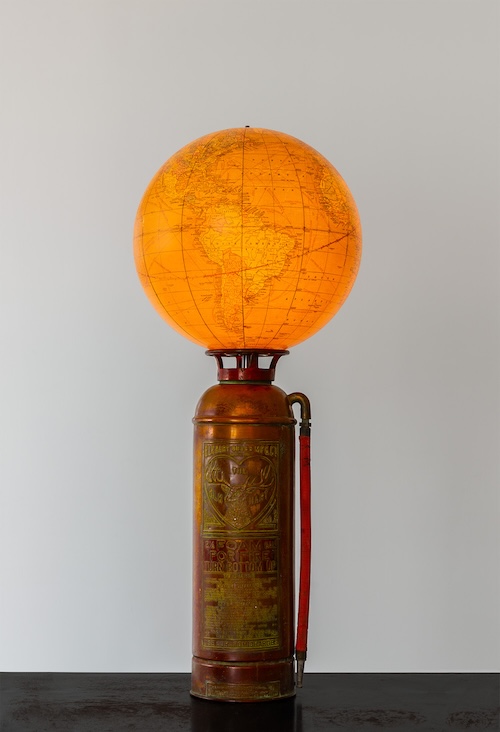
1988
©Alfredo Jaar